The Benefits of Forest Bathing for Urban Dwellers
Urban life comes with harsh realities like incessant noise, crowds, and a lifestyle that prioritizes and encourages constant movement. Forest bathing offers an invigorating yet straightforward escape from the chaos that helps restore balance by reconnecting with nature.
Unlike a regular walk, this practice is deliberate and helps calm the mind and body, profoundly providing relief. For those that reside in cities and seek a better quality of life, the benefits are multifaceted.
What Is Forest Bathing?
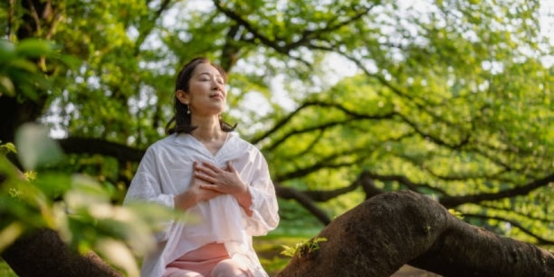
Forest bathing is referred to as Shinrin yoku in Japan and is not restricted to just hiking or burning calories in nature. Rather, it aims to be in nature and immerse depending on the natural world using all five senses and connecting deeply with the natural environment. The focus is on moving slowly while noticing details, and being in the moment. Mindfulness, sensory awareness, and a comfortable, slow pace are the experience's essence.
Origins and Cultural Background
In Japan, the phrase Shinrin-yoku was created in the '80s as a government wellness initiative promoted spending time in forests. Studies showed spending time in forested ecosystems helped reduce stress levels significantly. Eventually, forest bathing gained popularity in Asia and then Europe and North America as wellness communities adopted the practice, and more scientific research emerged supporting its benefits.
Why Urban Dwellers Need Forest Bathing
Living in a city exposes people to:
Constant noise from traffic and construction.
A constant rush.
Increased levels of air and noise pollution.
This lifestyle can lead to fatigue, chronic stress, and a disconnection from the natural environment. Forest bathing for city dwellers is a purposeful practice to help mitigate these effects, even in small parks and green areas.
Mental Health Benefits
Mindful time spent among trees has proven to:
Reduce stress. Lowered cortisol levels have been observed after even short forest bathing sessions.
Enhance mood. Green areas help increase the release of serotonin, resulting in elevated happiness levels.
Improve focus and creativity. Immersing oneself in nature has been shown to refresh the mind and increase problem-solving skills.
Ease anxiety and depression – Tranquil settings help soothe swirling thoughts and emotional recovery.
Advantages to Physical Health
Practices belonging to forest therapy have remarkable benefits to the body, such as:
Improved cardiovascular health. Relaxation and moving at a gentler pace reduces stress and blood pressure, as well as heart rate.
Enhanced immunity. Phytoncides, all-natural compounds from trees, increase the activity levels of immune cells, enhancing the body’s defense system.
Improved sleep. Relaxation during the day leads to more restful sleep at night.
Increased energy. Natural settings help replenish mental and physical energy.
Advantages to Emotional and Spiritual Health
Forest bathing for relaxation is also beneficial for mental health. It supports emotional well-being as it:
It nurtures a feeling of being connected with nature
It promotes mindfulness and the awareness of the present
It fosters appreciation, elevating overall life contentment
Proof from Research
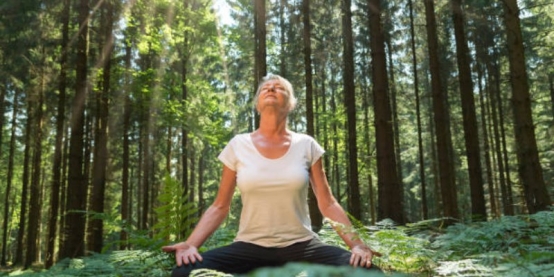
Research shows that forest bathing therapy significantly decreases levels of stress hormones and promotes physiological relaxation. Professionals also observe improved emotional regulation in participants. The uniform findings across multiple studies bolster the reliability of the practice as a low-cost, easily available form of preventative health care.
Urban Forest Bathing Guide
You can still experience forest bathing for urban dwellers even if you are in a congested metropolitan area:
Locate green areas – Such as riverside routes, parks, and botanical gardens which serve as nature’s refuge.
Timing – Rhythms of nature during early mornings and late afternoons complement quietness.
Engage all senses: Observe the color and shapes of leaves, listen to birds, touch the coarse dry bark, inhale clean air, and enjoy soft, fresh scents.
Unplug: To be in the moment, refrain from using headphones and stowing away phones in your bag.
Establish a time limit: Let yourself be guided by nature for 20-30 minutes to soak in the depth of the experience to an hour.
Safety Guidelines and Important Considerations
Forest bathing for relaxation has several relaxation benefits, however, pay attention to the following:
Dress appropriately for the weather.
Carry water to avoid dehydration.
Steer clear from dangerous and restricted areas.
Have protection if you are prone to allergies or insect bites.
Distinctions with Regular Walks
Both activities happen outdoors, however:
Pace – Forest bathing happens at an intentional slow, careful pace. Walking can be brisk.
Intention – An emphasis on mindfulness distinguishes forest bathing from other fitness activities.
Benefits – Because of its meditative nature, forest bathing often offers powerful sensory and mental health benefits.
Shifting to mindfulness transforms the experience and, even in a small green space, the restorative effects can be amplified.
Solutions for the City-dweller
Cues for nature presents unique hurdles for forest bathing for city dwellers:
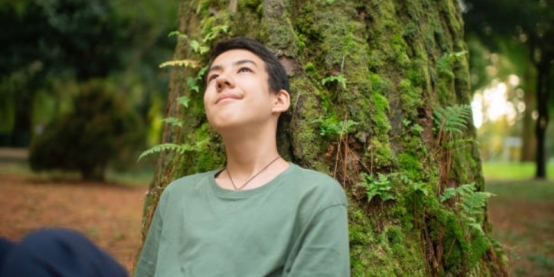
Nature-deficit – Small parks, rooftop gardens, or tree-lined streets can help.
Too Busy – Short, 10-minute break sessions can be termed ‘micro forest bathing.’
Social discomfort – For the shy, quiet observation from a park bench is an alternative.
Outdoor Restrictions – When the outdoors cannot be accessed, the description of nature can be supplemented with the use of house plants or nature videos.
Getting Nature Back in Our Lives
Practicing forest bathing isn't just a trend. It's a proven method for city-dwellers to reduce stress and improve their overall health. Even those who live in crowded cities with no parks can indulge in nature therapy to an extent in small parks and gardens. By making nature more a part of daily life and regularly going for walks, an individual can reap the benefits of this simple yet potent practice.